

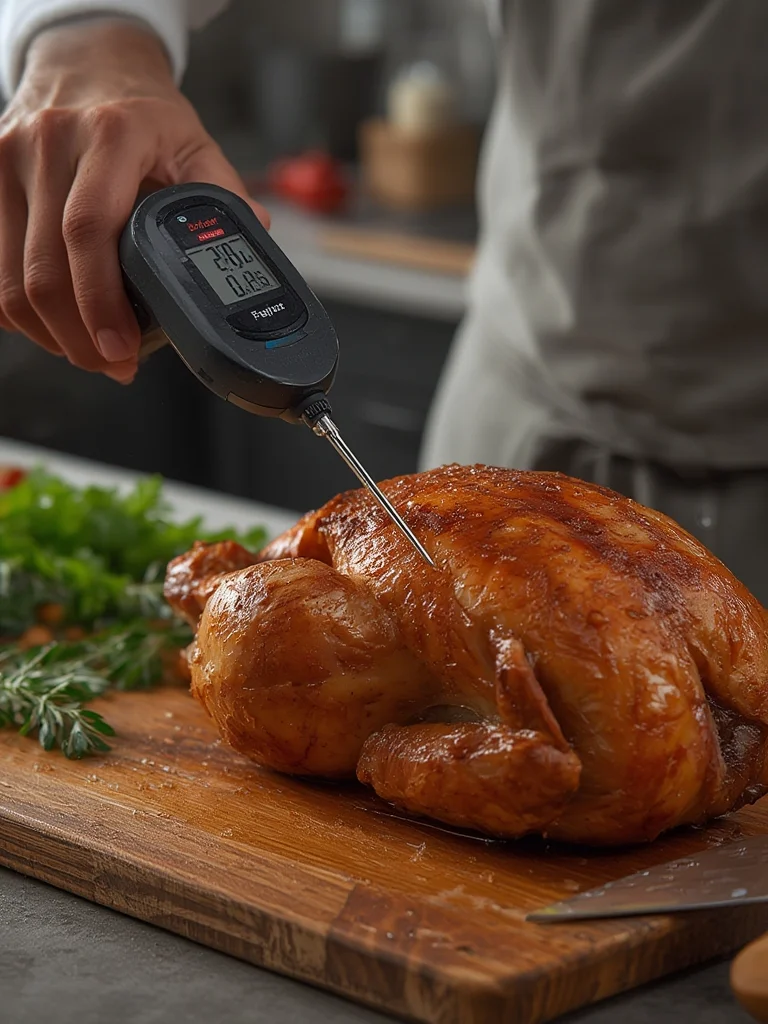
The modern kitchen is undergoing a quiet, cable-free transformation. Rechargeable kitchen gadgets are redefining convenience by offering cordless preparation, cleaner countertops, and the freedom to move without being tethered to a wall outlet. Whether you are prepping on a kitchen island, at a dining table, or even outdoors, these tools promise a more flexible and organized workspace.
However, moving away from the traditional cord comes with its own set of considerations. To truly benefit from this trend, consumers must look beyond the sleek designs and understand the technology powering these devices.
Key Takeaways
- Rapid Market Growth: The cordless appliance sector is expanding at a record pace, yet transparency regarding battery specifications remains a significant challenge for buyers.
- Performance vs. Mobility: Choosing the right tool requires balancing the freedom of movement against the raw, continuous power provided by traditional corded models.
- Sustainability Matters: As these gadgets proliferate, the environmental impact of battery disposal and the need for standardized recycling practices have become critical issues.
What Are Rechargeable Kitchen Gadgets and Why Are They Popular?

Rechargeable kitchen gadgets are small appliances powered by integrated, high-capacity batteries rather than standard electrical cords. This innovation allows users to blend, froth, grind, or open cans anywhere—eliminating the frustration of tangled cables and the hunt for available power outlets in a crowded kitchen.
The Drive Toward Cordless Living
The surge in popularity is no accident. The market for cordless appliances is projected to climb from approximately $46.7 billion in 2025 to over $50.2 billion by 2026. This growth is fueled by several factors:
- Urban Living: Apartment dwellers with limited counter space and few outlets find cordless tools easier to store and use.
- Safety: Fewer cords draped across hot stoves or near sinks reduce the risk of accidents and kitchen fires.
- Aesthetic Minimalism: A cordless kitchen looks tidier, aligning with modern “clean counter” interior design trends.
From cordless immersion blenders to spice grinders and portable frothers, these tools are no longer niche novelties; they are becoming essential components of the high-efficiency home.
Step-by-Step Guide: How to Select and Use Rechargeable Tools
Transitioning to a rechargeable kitchen requires a more discerning eye than buying traditional gear. Follow these steps to ensure your investment lasts.
Pro Tip: Always prioritize Lithium-Ion batteries. They charge faster, hold their charge longer when not in use, and are generally more reliable than older battery types. Additionally, look for USB-C charging to ensure compatibility with your existing phone or laptop chargers.
Step 1: Audit Your Workflow
Identify the tasks where a cord is most restrictive. If you frequently find yourself dragging a heavy blender across the kitchen to reach an outlet, a cordless version is a high-value upgrade. However, for a stationary toaster, the cord rarely gets in the way. Focus your budget where mobility adds the most value.
Step 2: Scrutinize Battery Life and Power
Manufacturers often hide real-world runtimes. As a rule of thumb, look for gadgets that offer at least 60 to 90 minutes of continuous use per charge. If the product description is vague about battery capacity, it is often a sign of a lower-quality internal cell.
Step 3: Prioritize Ergonomics and Storage
Since these tools house a battery, they can sometimes be heavier than their corded counterparts. Look for ergonomic grips that balance the weight well. Furthermore, opt for models with vertical charging docks or wall mounts to keep your surfaces clear while the device recharges.
Step 4: Maintenance and Battery Health
To extend the life of your gadget, avoid leaving it on the charger 24/7. Once it reaches 100%, unplug it. Batteries thrive on regular use; leaving a rechargeable tool in a drawer for six months can actually degrade its ability to hold a charge.
Step 5: Responsible Disposal
Batteries are hazardous waste and should never be thrown in the household trash. When a device eventually reaches the end of its life, utilize local electronics recycling programs or drop-off bins at major retailers to minimize environmental impact.
Advanced Analysis: Pitfalls and Reality Checks

Despite their convenience, rechargeable gadgets are still an evolving category. Here are the “hidden” realities that savvy buyers should know:
- The Power Gap: A rechargeable blender will rarely match the crushing power of a 1200-watt corded professional model. They are perfect for smoothies and light sauces but may struggle with heavy doughs or large amounts of ice.
- Performance Decay: All batteries degrade. Within 18 to 24 months of frequent use, you may notice that your “60-minute” battery now only lasts 40 minutes.
- The Price Premium: You are paying for the battery technology. Expect to pay a 15% to 40% premium over the corded version of the same tool.
Comparison: Rechargeable vs. Traditional Tools
| Feature | Rechargeable Gadgets | Corded Alternatives | Manual Tools |
| Power Output | Medium (Best for light prep) | High (Constant & reliable) | Variable (User effort) |
| Mobility | Maximum (Total freedom) | Limited (Radius of cord) | High (Go anywhere) |
| Price Point | $$$(Higher upfront cost) | $$ (Budget to Premium) | $ (Most affordable) |
| Longevity | 2–5 Years (Battery limited) | 10+ Years (If well-made) | Lifetime (No parts to fail) |
Conclusion
Rechargeable kitchen gadgets offer a level of freedom that can make cooking feel less like a chore and more like a creative process. By removing the physical barriers of the power outlet, you gain a more flexible, organized, and modern kitchen environment.
The key to success is intentionality. Don’t buy cordless just for the sake of the trend; buy it for the tools you use most frequently and in the most awkward spaces. By choosing high-quality Lithium-Ion devices and maintaining them properly, you can enjoy the best of modern innovation without the clutter of the past.
Frequently Asked Questions
Are rechargeable gadgets as powerful as corded ones?
Generally, no. While battery technology is improving, corded tools still offer higher sustained torque and power for heavy-duty tasks like crushing ice or kneading thick dough.
How do I know when the battery is failing?
You will notice shorter run times between charges or the motor sounding “labored” even when the device is fully charged. This usually happens after several hundred charge cycles.
Can I replace the battery myself?
In most modern kitchen gadgets, the batteries are “sealed for life” and not user-replaceable. This is why choosing a reputable brand with a good warranty is essential.
What is the best way to charge them?
If the device supports it, use a high-output USB power brick to reduce charging time. Avoid charging in extreme temperatures (like right next to a hot oven) as heat is the primary enemy of battery health.